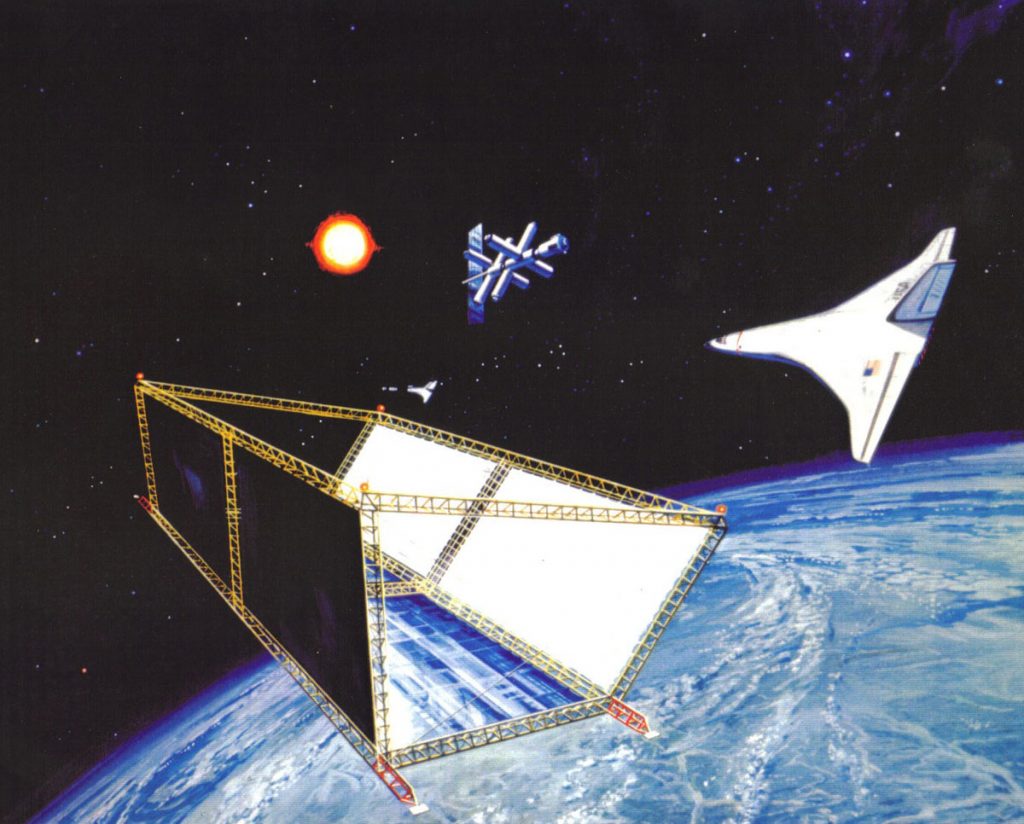
In the 1970s, the US considered building a network of 60 solar power stations in orbit that would beam energy down to Earth.
The Satellite Power System (SPS) project envisaged building two satellites per year.
Each SPS was to weigh around 35,000 to 50,000 metric tons.

But there was a problem. How to launch 100,000 metric tons into orbit every year? The Space Shuttle’s maximum payload was around 25 metric tons.

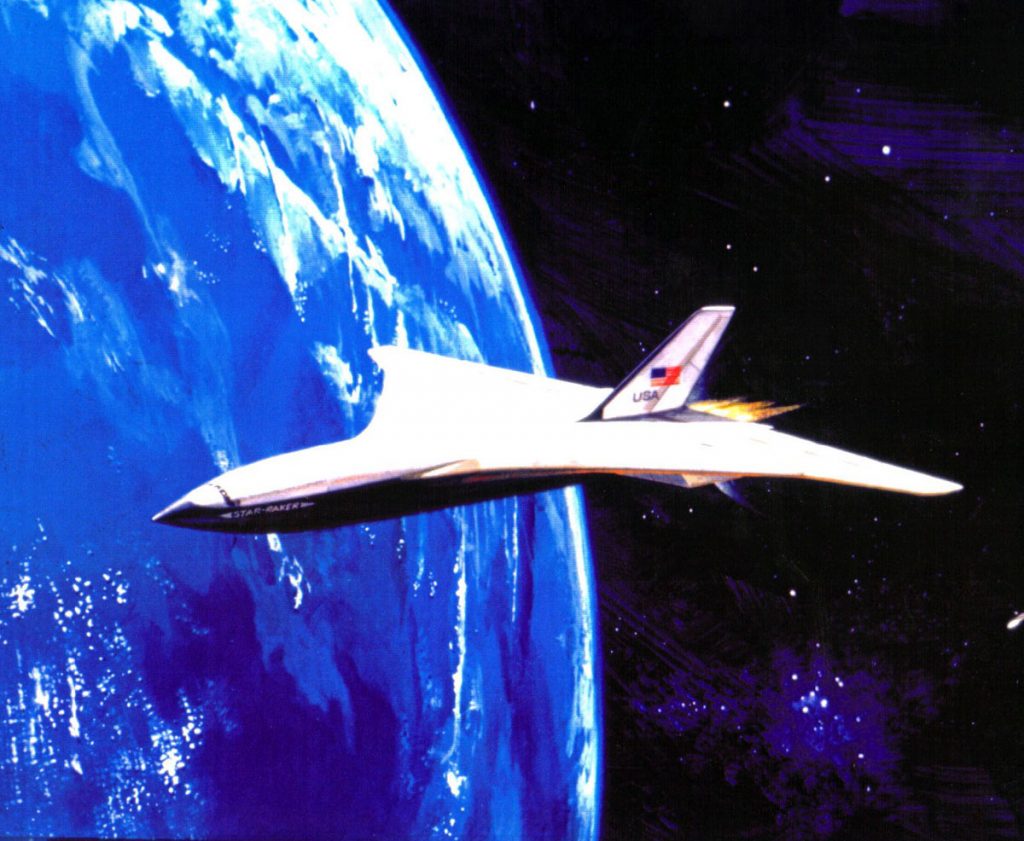
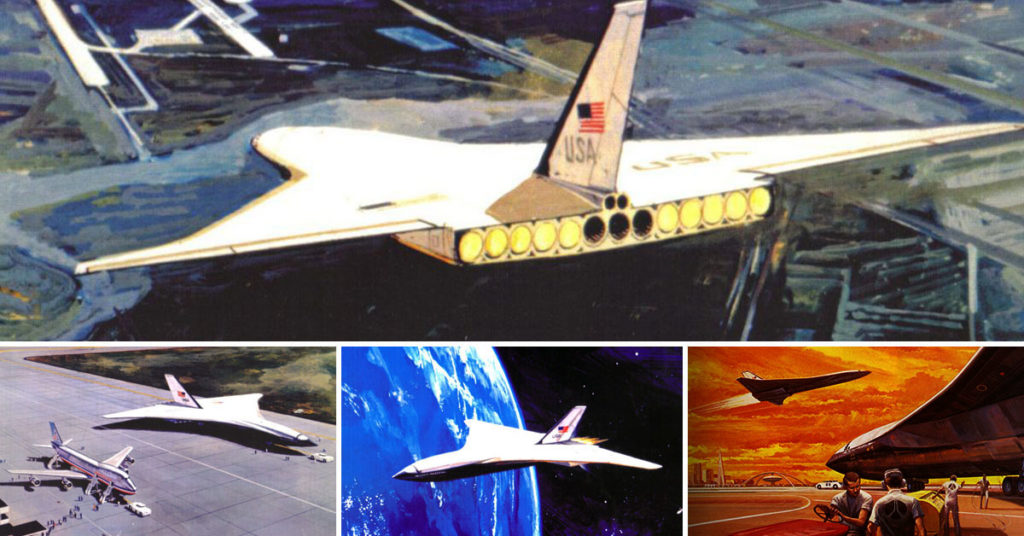
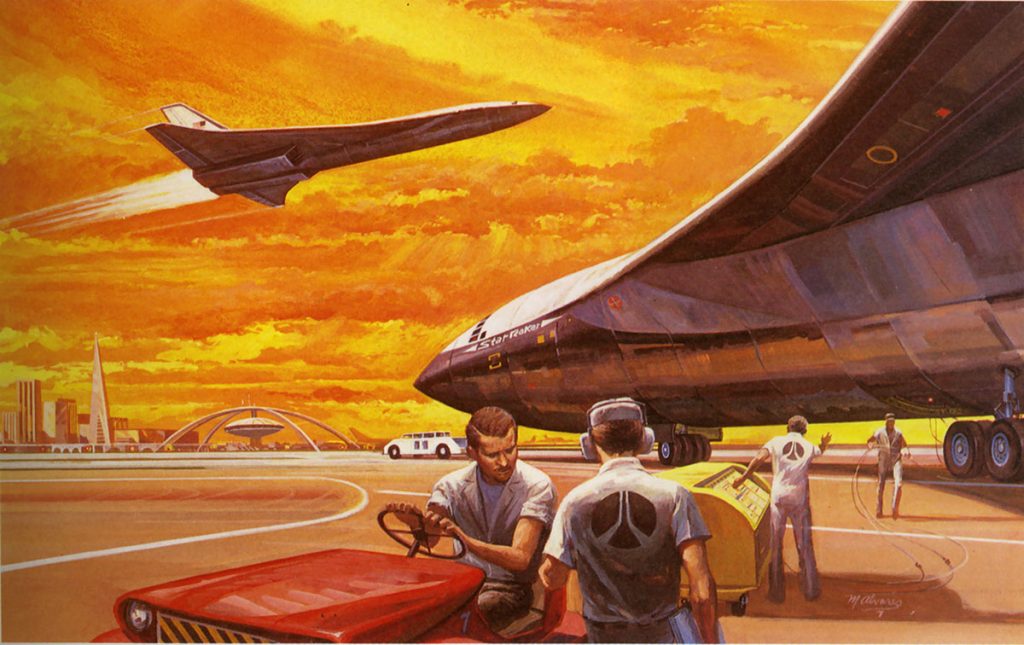
Enter Star-Raker. Designed but never built by the Rockwell, the Star-Raker would load its cargo at a regular

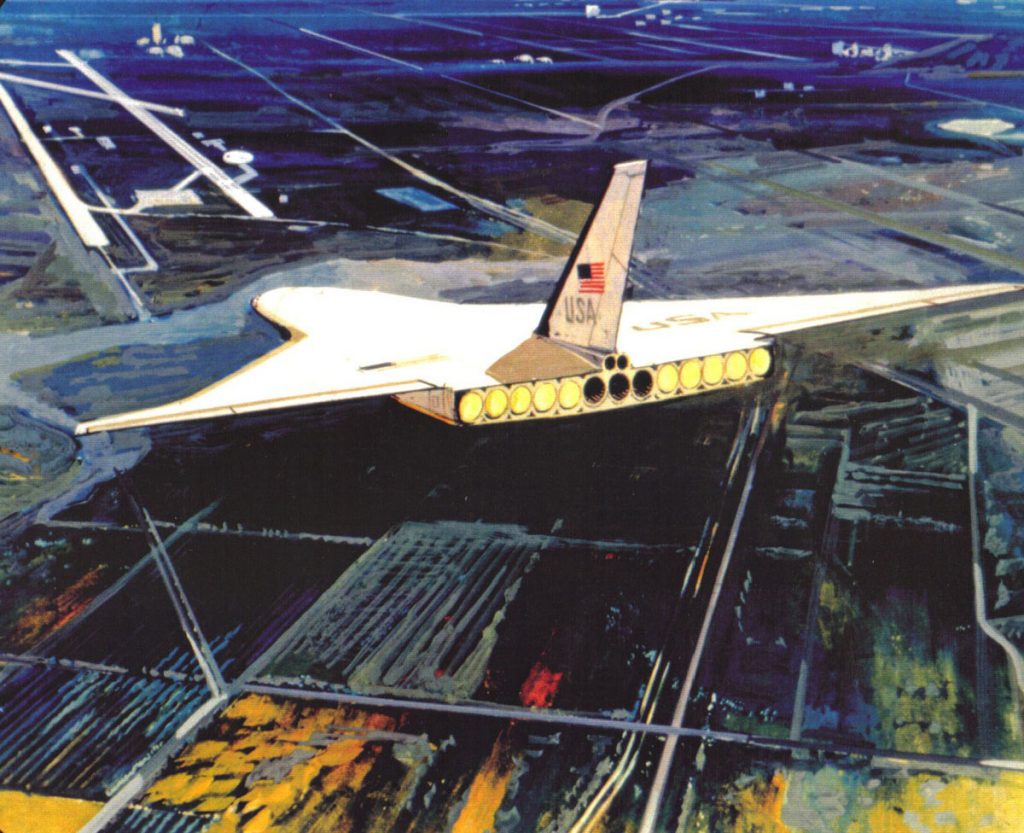
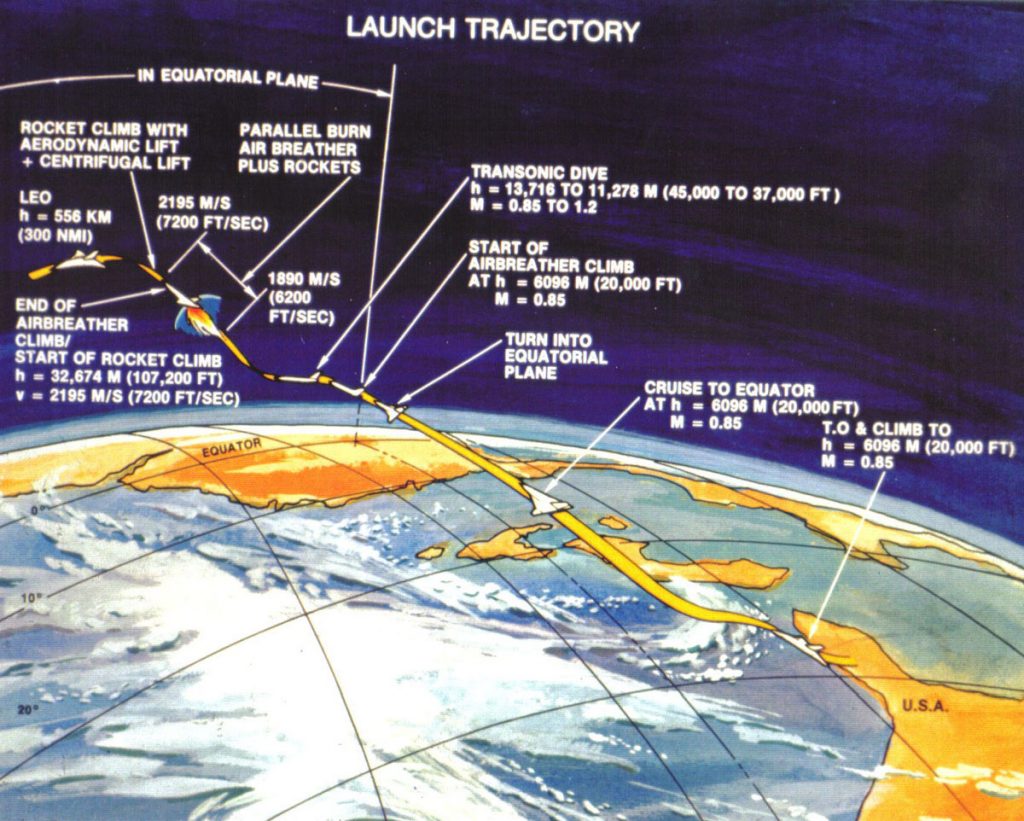
At a cruising altitude of 45,000 feet, the craft would dive to 37,000 feet. At speeds of up to Mach 6, the Star-Raker would jet to an altitude of 29km before the rockets kicked in, sending it into orbit.

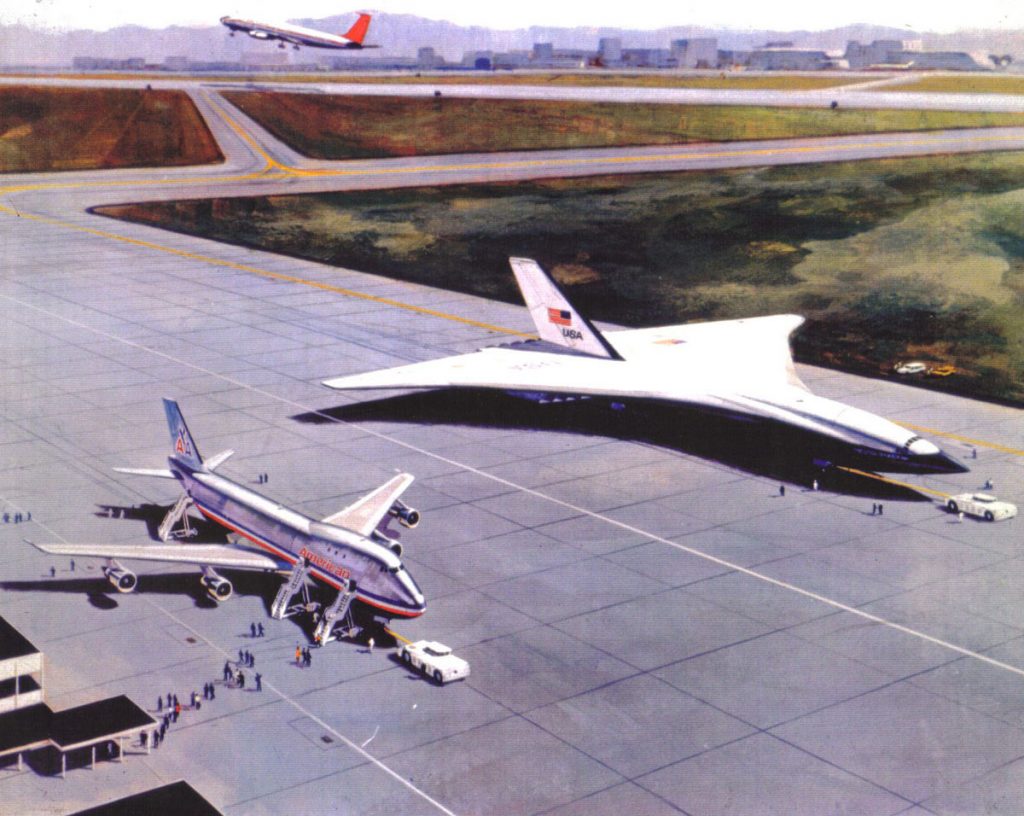
Star-Raker was projected to carry 100 tons of payload in a 20 x 20 x 141.5 ft cargo bay (56,600 ft3) accessed via the hinged nose , and the fleet would work day-in, day-out.

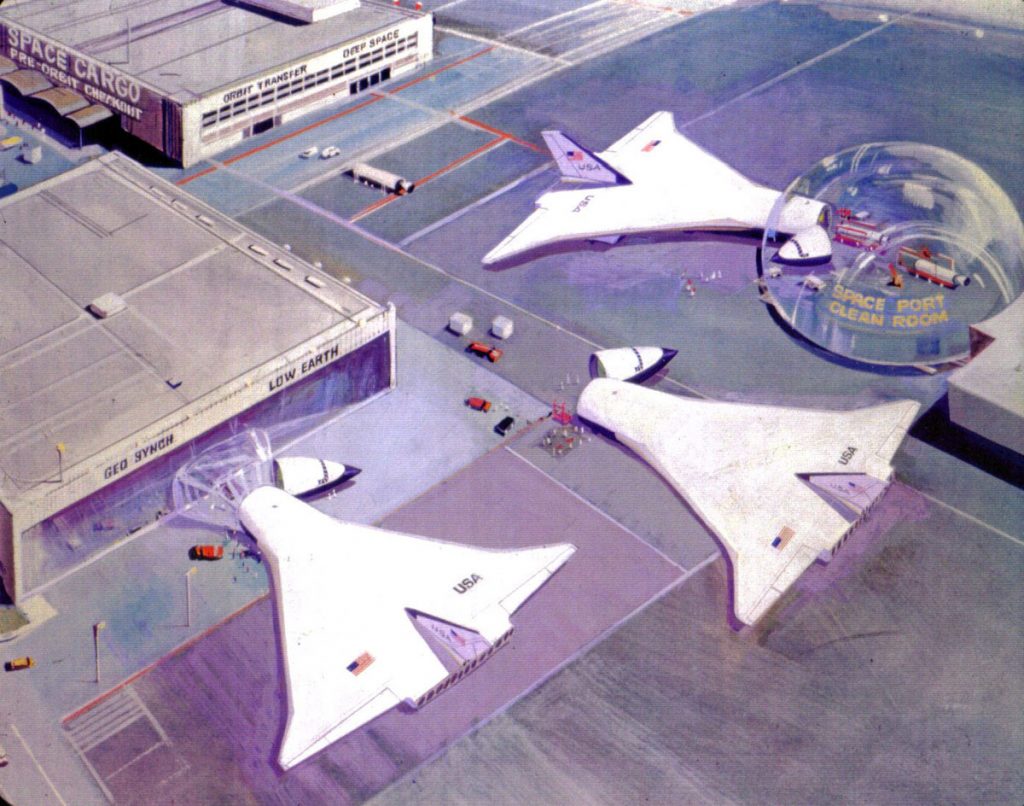
“The magnitude and sustained nature of this advanced space transportation program concept long-term routine operations somewhat analogous to commercial airline/airfreight operations,” (NASA, 1981 memo)

Unfortuantly, the Star-Raker never got beyond the planning stage , nor did the SPS.

Propulsion:
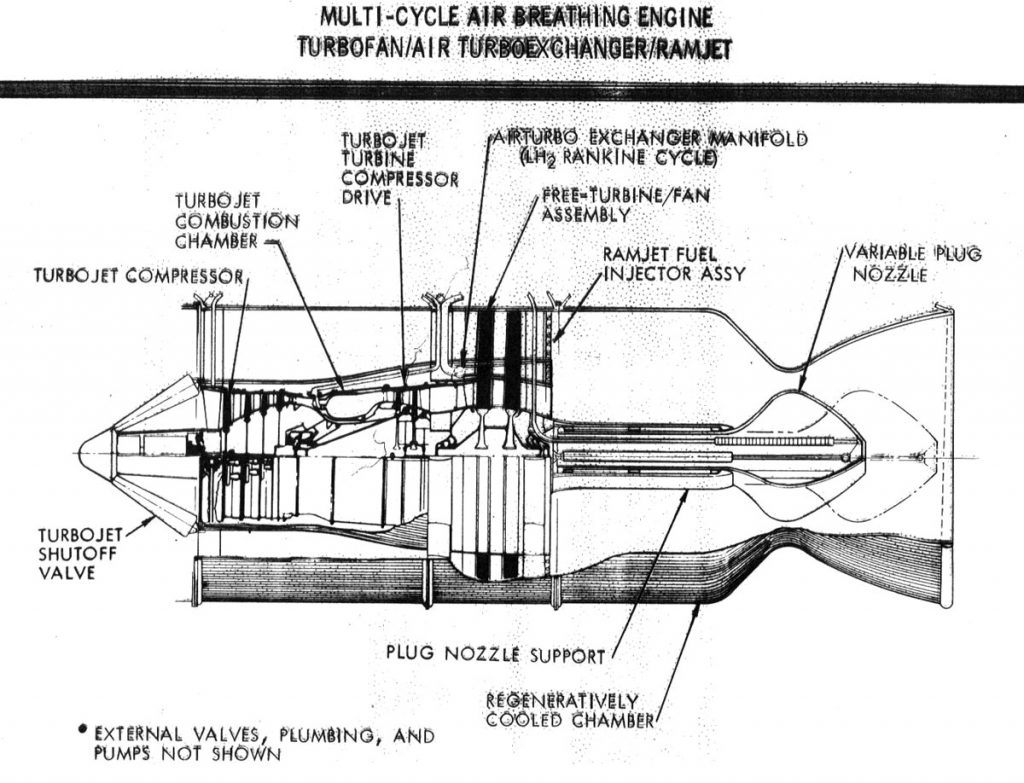
Ten hydrogen-fueled high bypass supersonic turbofan/air-turbo-exchanger/ramjet engines, each with 140,000 of thrust.
Three hydrogen fuelled rocket engines, each with 1.06 million of thrust and an ISP of 455 seconds.